
In today’s busy world, children’s learning doesn’t stop when the school bell rings. Extra-curricular activities play a vital role in a child’s development, offering opportunities to explore interests, build confidence and develop essential life skills beyond the classroom.
From sports clubs to music lessons and creative workshops, these activities can have a lasting positive impact on a child’s well-being and future success.

Supporting Social and Emotional Development
One of the biggest benefits of extra-curricular activities is the opportunity for children to interact with others outside their usual school environment.
By taking part in clubs or teams, children learn how to:
- Communicate effectively with peers and adults
- Work as part of a group
- Build friendships based on shared interests
These experiences help children develop emotional intelligence, empathy and resilience, skills that are valuable throughout life.
Building Confidence and Self-Esteem
Extra-curricular activities give children the chance to succeed in areas that may not be measured in the classroom.
Whether it’s mastering a musical instrument, scoring a goal or performing on stage, achievements outside school can:
- Boost self-confidence
- Encourage a sense of accomplishment
- Help children recognise their own strengths
This confidence often carries over into academic learning and everyday challenges.
Encouraging Physical Health and Wellbeing
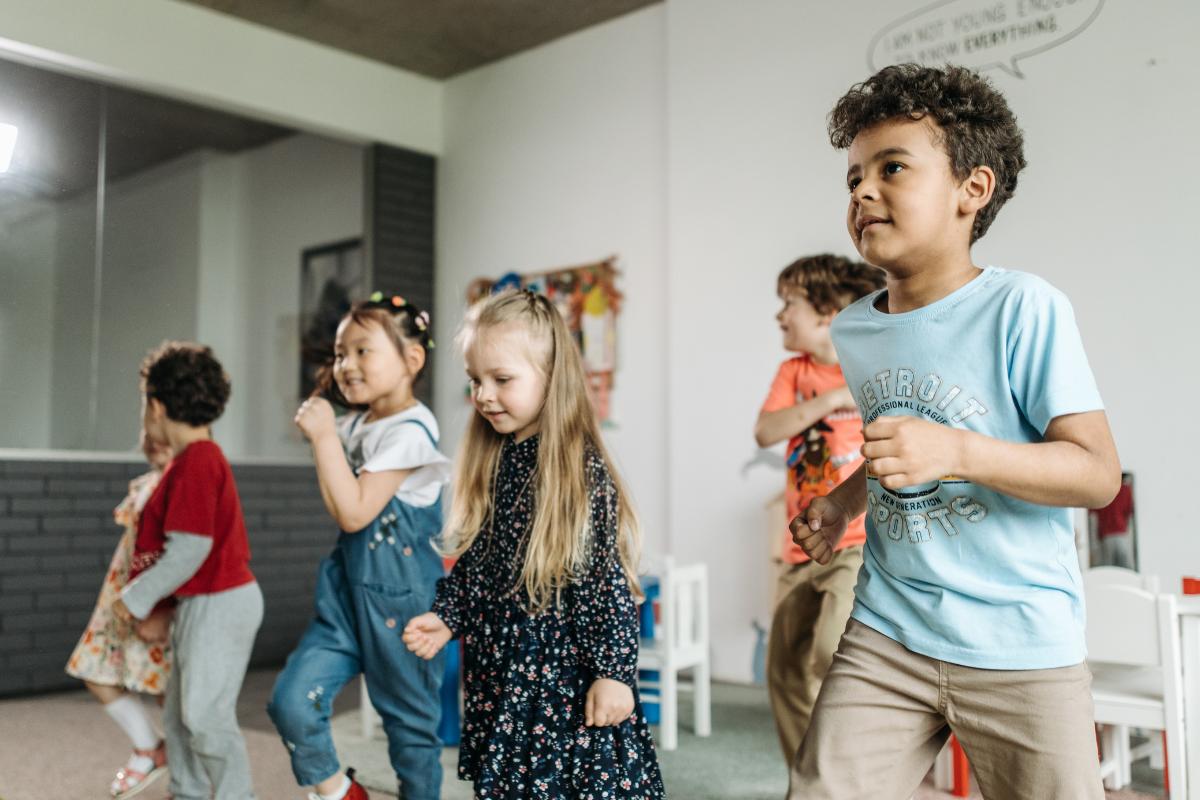
Many extra-curricular activities involve physical movement, which is essential for children’s overall health.
Sports, dance and outdoor clubs help to:
- Improve fitness and coordination
- Support healthy habits from a young age
- Reduce stress and improve mood
Regular physical activity also helps children develop better focus and energy levels for learning.
Developing Key Life Skills
Extra-curricular activities teach valuable life skills that children use well beyond childhood.
These include:
- Time management and commitment
- Problem-solving and creativity
- Leadership and responsibility
Learning to balance schoolwork with hobbies helps children become more organised and independent.
Discovering Passions and Interests
Not every child thrives in traditional academic settings, and extra-curricular activities provide space to explore different interests.
Trying a variety of activities allows children to:
- Discover hidden talents
- Develop long-term hobbies
- Gain a clearer sense of identity
These experiences can shape future career interests and personal goals.
Supporting Academic Success
While extra-curricular activities are not academic by nature, they often support learning indirectly.
Children involved in structured activities tend to:
- Show improved concentration and motivation
- Develop stronger discipline and routine
- Feel more engaged with school life
The confidence gained outside the classroom can positively influence academic performance.
Extra-curricular activities offer far more than entertainment. They help children grow socially, emotionally and physically while encouraging curiosity and confidence. By supporting children in exploring interests beyond the classroom, parents and educators can help nurture well-rounded, capable individuals.