
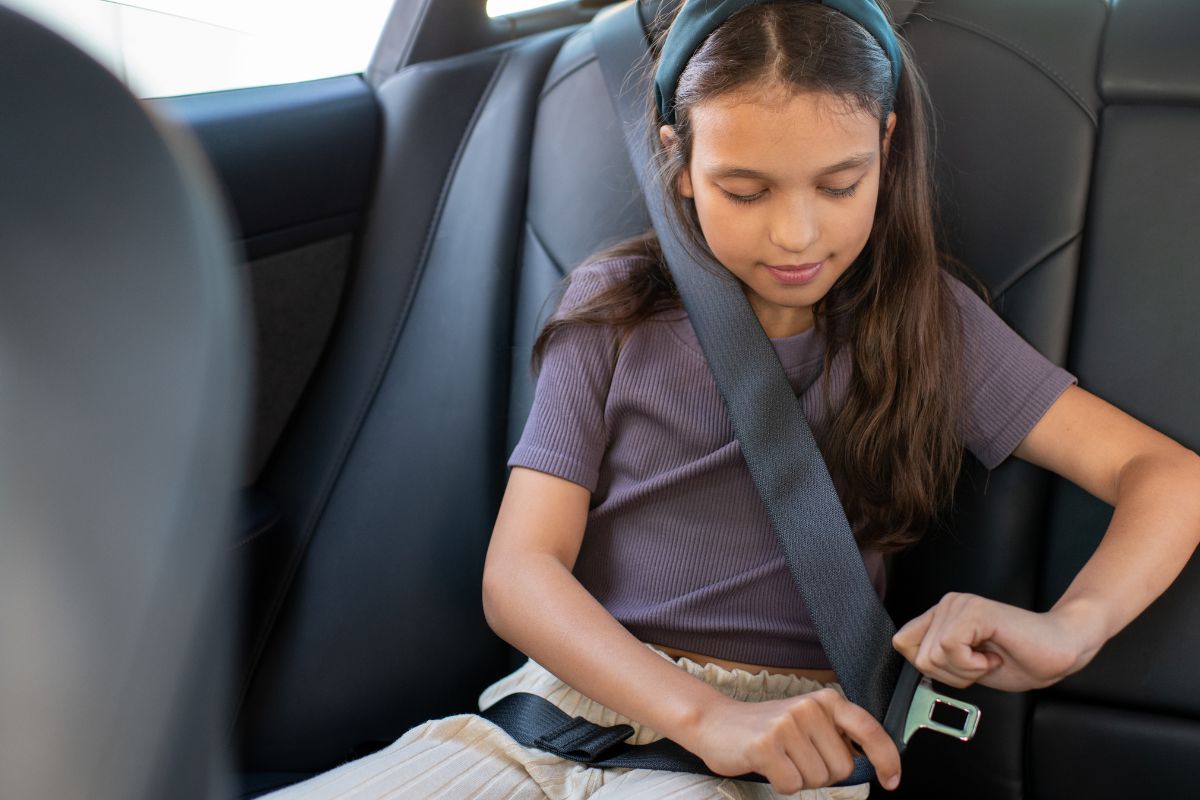
Ask most parents about the school bus and they will mention the practical wins: no morning traffic, no scramble for the car keys, no rush-hour stress. All true. But something quieter happens on that daily journey, and it shapes children in ways the timetable never captures. Here is how to help your child get the most from it, step by step.

Step 1: Treat the ride as part of the school day
The bus is not dead time between home and the gates. It is a gentle transition, a buffer that lets children shift gears. Talk about it that way at home. When a child understands the journey as the start of their day rather than a chore before it, they arrive settled rather than frazzled. A calm start tends to lead to a calmer classroom.
Step 2: Let the social skills build on their own
Sit back and notice what happens on board. Children of different ages share the same space, sort out who sits where, swap news and manage small disagreements without an adult refereeing every moment. These are real skills: negotiation, patience, reading the room. You cannot teach them from a workbook, but a mixed-age bus offers daily practice. Resist the urge to script it. The value is in the working-it-out.
Step 3: Encourage a small independence ritual
Getting ready for the bus, remembering the right bag, being on time at the stop, is a manageable dose of responsibility. Hand it over gradually. Let your child pack the night before, check the weather, keep an eye on the clock. Each morning becomes a tiny rehearsal for the bigger independence they will need later. Praise the effort, not just the result.
Step 4: Use the return leg as a wind-down
The journey home does different work. It is where the day gets processed, sometimes through chatter, sometimes through quiet staring out of the window. Both are fine. Do not pounce with questions the second they walk through the door. Children who have had that decompression time on the bus often open up more readily once they are home, precisely because they have already had a moment to breathe.
Step 5: Choose a setting that takes the journey seriously
Not every school thinks carefully about the bus. The good ones do, treating supervision, routes and the tone on board as part of pastoral care rather than a logistical afterthought. Families looking at [thoughtful independent schools that nurture confidence and independence|https://bowdonprep.org.uk] will find that the ethos on the bus often mirrors the ethos in the classroom. Bowdon Preparatory School for Girls is one setting where that continuity between journey and school day is clearly considered.
A few small habits that help
– Keep the morning routine predictable so the departure feels relaxed rather than rushed.
– Ask open questions about the ride, not just about lessons. “Who did you sit with?” often unlocks more than “How was school?”
– Let friendships that start on the bus carry on outside it. Some of the strongest ones do.
– Trust the quiet days. Not every journey needs a story attached.
The bigger picture
The school bus rewards children who are given a little room to grow into it. Over a term, and then a year, those small daily moments add up: more confidence, easier friendships, a steadier start and finish to each day. It is one of the least glamorous parts of school life and one of the most quietly formative.
If you are weighing up options for your daughter, it is worth looking beyond the prospectus to the everyday details, the journey included. You can find out more at https://bowdonprep.org.uk.
—
*This article was contributed by the team at Bowdon Preparatory School for Girls, an independent day school for girls in Bowdon, Altrincham, Greater Manchester. Bowdon Prep focuses on academic achievement alongside confidence, kindness and independence, supporting girls through their early and primary years in a nurturing environment.*