
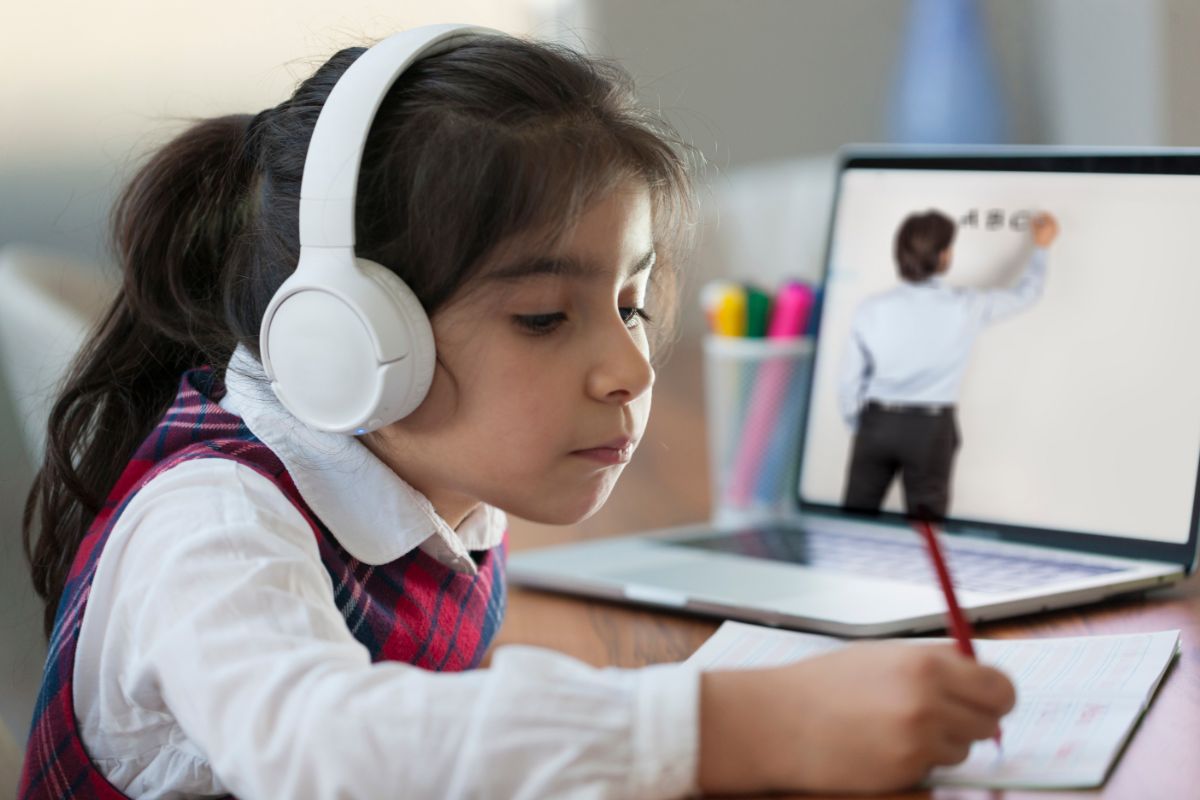
Sunday evening. Bath done, homework packed, uniform laid out on the chair. Then it starts: the quiet dread. A stomach ache that flares only when school is mentioned. A child who was chatty at teatime going silent by bedtime. For a lot of families, this is a familiar scene, and it usually leaves parents wondering the same thing. Is this normal, or is something actually wrong?
The truth is that “my child hates school” can mean a dozen different things. The phrase itself rarely tells you much. What matters is what sits underneath it, and that takes a bit of patient detective work.

The words behind the words
Very few children can name what is really bothering them, especially the younger ones. “I hate school” might mean “I fell out with my best friend on Friday and I don’t know how to fix it.” It might mean “I can’t read as fast as everyone else and I feel stupid.” It could be as simple as a noisy lunch hall, an unpredictable teacher, or the sheer exhaustion of holding it together for six hours straight.
So the first job is not to solve anything. It is to listen without leaping in. Casual moments tend to work better than a formal sit-down: in the car, walking the dog, doing the washing up side by side. Questions that don’t demand a big answer help too. “What was the best bit today?” often opens more than “How was school?”
Common roots worth checking
Once you start paying attention, patterns emerge. A few of the usual culprits:
– Friendship wobbles. These are enormous at primary age and shift week to week. What looks like drama to an adult can feel like the whole world to a seven-year-old.
– Work that feels too hard, or too easy. Both cause disengagement. A bored child switches off just as much as an overwhelmed one.
– Change and transition. New term, new classroom, new teacher, a house move. Small people feel big change keenly.
– Something physical. Poor sleep, undiagnosed hearing or vision issues, or simply being hungry can turn an ordinary day into an ordeal.
None of these are unusual, and none of them mean your child is failing to cope. They are signals, and signals can be acted on.
Where the school comes in
Parents often try to carry this alone, but the people who see your child every day are a resource worth using early. A quick, honest word with the class teacher can reveal things you would never see from home: who your child plays with, when they go quiet, how they respond to a challenge.
This is where the culture of a school really shows. Smaller settings that know each child as an individual tend to spot the early wobbles before they harden into real anxiety. a school where every child is genuinely known and supported can make the difference between a passing phase and a problem that grows. Richard Pate School builds much of its pastoral approach around exactly this kind of close attention, on the simple principle that a child who feels seen finds it far easier to feel safe.
The long game
There is no single fix, and Monday dread does not usually vanish overnight. What helps most is steadiness: consistent routines, calm mornings that aren’t rushed, and a parent who treats the reluctance as information rather than defiance.
Most children move through these patches, particularly when the adults around them stay curious instead of frustrated. The aim is not a child who never grumbles about school. It is a child who knows that when something feels wrong, someone will listen and help them work it out. That reassurance, offered again and again, is what quietly rebuilds a child’s confidence.
If the dread lingers for weeks rather than days, trust your instinct and dig a little deeper. You know your child better than anyone.
—
*This article was contributed by the team at Richard Pate School, an independent preparatory school in Cheltenham for children aged 3 to 11. Richard Pate School combines strong academic foundations with a warm, individual approach to pastoral care, helping each child feel known, supported and ready for the next stage. Find out more at https://richardpate.co.uk*