
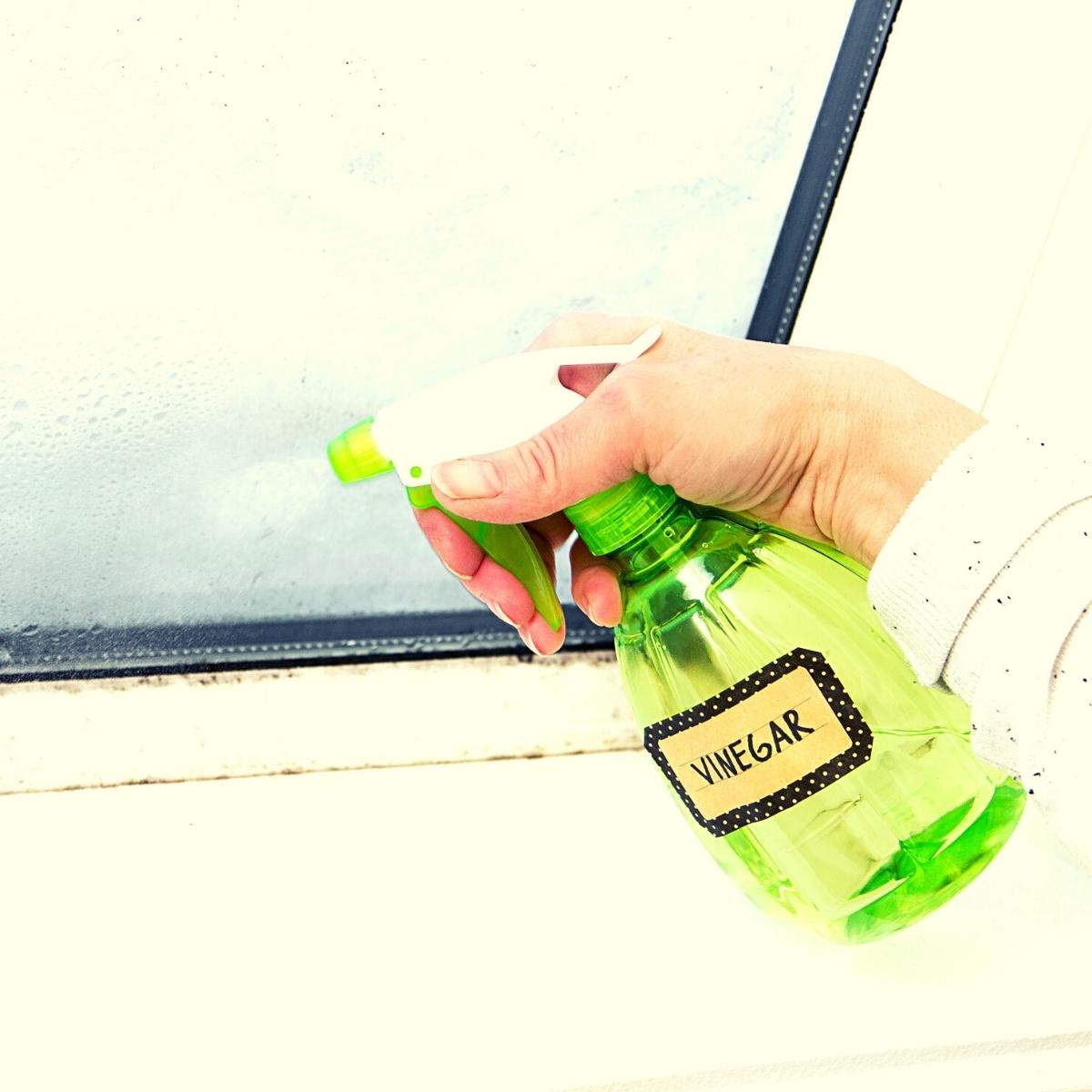
Cleaning your home doesn’t have to come with a cloud of chemical fumes or a hefty grocery bill. If you’re looking to swap out some of your store-bought cleaning solutions with greener, more economically savvy options, you’ve landed on the right blog post. Here, we’ll explore ingenious recipes for homemade cleaning supplies that are not only easy to make but also eco-responsible and surprisingly effective.
For the eco-conscious homemaker, this guide will be your manifesto for an aromatically pleasant, toxin-free cleaning experience. We’ll walk through the benefits of making your own cleaning products, provide fool-proof recipes you can customize to your preferences, and offer practical tips on usage and storage. You’re moments away from transforming your cleaning routine into a healthier and cost-effective practice.

Benefits of Homemade Cleaning Supplies
There are multiple reasons to fall in love with the idea of whipping up your own cleaning supplies. They are perfect for all areas of your home whether you are doing a huge spring clean or perhaps just spot cleaning a grubby corner where the dog got his muddy paws.
Healthier for You and the Environment
The harsh truth is that many commercial cleaning products contain toxic substances that can cause acute or long-term health issues. Homemade cleaners typically use milder ingredients like vinegar, baking soda, or castile soap, which are much gentler on both the environment and your family’s health.
Cost-Effective
With a few pantry staples, you can create a stockpile of cleaning products for the cost of a single bottle of name-brand cleaner. It’s a savvy economic choice that doesn’t compromise on cleanliness.
Customisable Scents and Ingredients
Tired of the one-size-fits-all smell of your current cleaner? When you make your own, you control the scent and can experiment with various natural additions like essential oils or citrus peels.
Recipes for Homemade Cleaning Supplies
Now for the fun part! Here are some effortless recipes for making your own cleaning supplies. Remember to wear the homemade hero cape and speak confidently about your ‘mixologist’ skills as you conquer each concoction.
1. All-Purpose Cleaner
In a spray bottle, mix equal parts water and white vinegar, along with a few drops of dish soap. If you prefer a scentier solution, add fresh herbs or lemon slices and allow the mixture to sit for a week before use.
Why It Works: Vinegar is anti-bacterial and cuts through grease, while dish soap helps to break up dirt and oil, and the water thins the mixture to make it sprayable.
2. Citrus Vinegar Cleaner
Substitute a portion of the white vinegar in the all-purpose cleaner recipe with citrus-infused vinegar. Simply soak citrus peels (lemon, orange, or grapefruit) in white vinegar for a few weeks to create this zesty alternative.
Why It Works: The natural oils in citrus peels add a degreasing punch and a fragrant twist to the vinegar’s cleaning power.
3. Baking Soda Scrub
Baking soda is your secret weapon for scrubbing power. For surfaces that need an extra buff, sprinkle some baking soda and scrub with a damp microfibre cloth. Rinse with water.
Why It Works: Baking soda is mildly abrasive and works wonders on anything you would typically scour with a store-bought scrub.
4. Lemon Fresh Disinfectant
Combine lemon juice and hydrogen peroxide in a dark spray bottle (as light can diminish hydrogen peroxide’s effectiveness). Spray on surfaces to disinfect and leave an uplifting fresh scent.
Why It Works: Lemon juice has natural anti-bacterial properties, and when used with hydrogen peroxide, you’ve got a dynamo duo against germs.
Tips for Storage and Usage
It’s important to store and use homemade cleaning supplies properly to maintain their effectiveness and safety.
Proper Storage Containers
Opt for glass or high-density plastic containers to store your cleaners. They are less likely to interact with the acidity of some ingredients, and you can see when they need refreshing.
Safety Precautions
Though they are less toxic than commercial cleaners, homemade solutions can still be harmful if ingested or sprayed in the eyes. Always label your containers and keep them out of reach of children and pets.
Application Methods
Apply the cleaner and allow it to sit for a few minutes to break down dirt and grime. Wipe or scrub as needed, and rinse well. Remember that more doesn’t necessarily mean better when it comes to cleaning, so use sparingly for the best results.
Conclusion
Swapping out your cleaning products is a small change with significant positive outcomes for your wellbeing and the environment. It’s a refreshing (sometimes literally) step towards a greener, cleaner household. By creating your own cleaning supplies, you’re not only reducing your carbon footprint but also ensuring that your living space stays a healthy haven.
Making the transition to homemade cleaning supplies may seem daunting at first, but once you see the savings—both in your wallet and in the quality of your living environment—you’ll wonder why you didn’t make the switch sooner. Take the plunge, get mixing, and revel in the satisfaction of a sparkling home that was cleaned with kindness.