
This blog post is written in collaboration with a business who wanted to share this helpful information with you.
Raising a child to be a team player is one of the most valuable lessons parents can impart. In a world that increasingly values collaboration, teaching children how to work well with others, respect different perspectives, and contribute to shared goals is essential. Here’s how you can guide your child toward becoming a great team player.

1. Encourage Cooperative Play
From an early age, children learn a lot through play. Cooperative games teach children how to communicate, share, and work towards a common goal. These types of activities allow kids to practice empathy, patience, and cooperation, all of which are essential traits for being a team player.
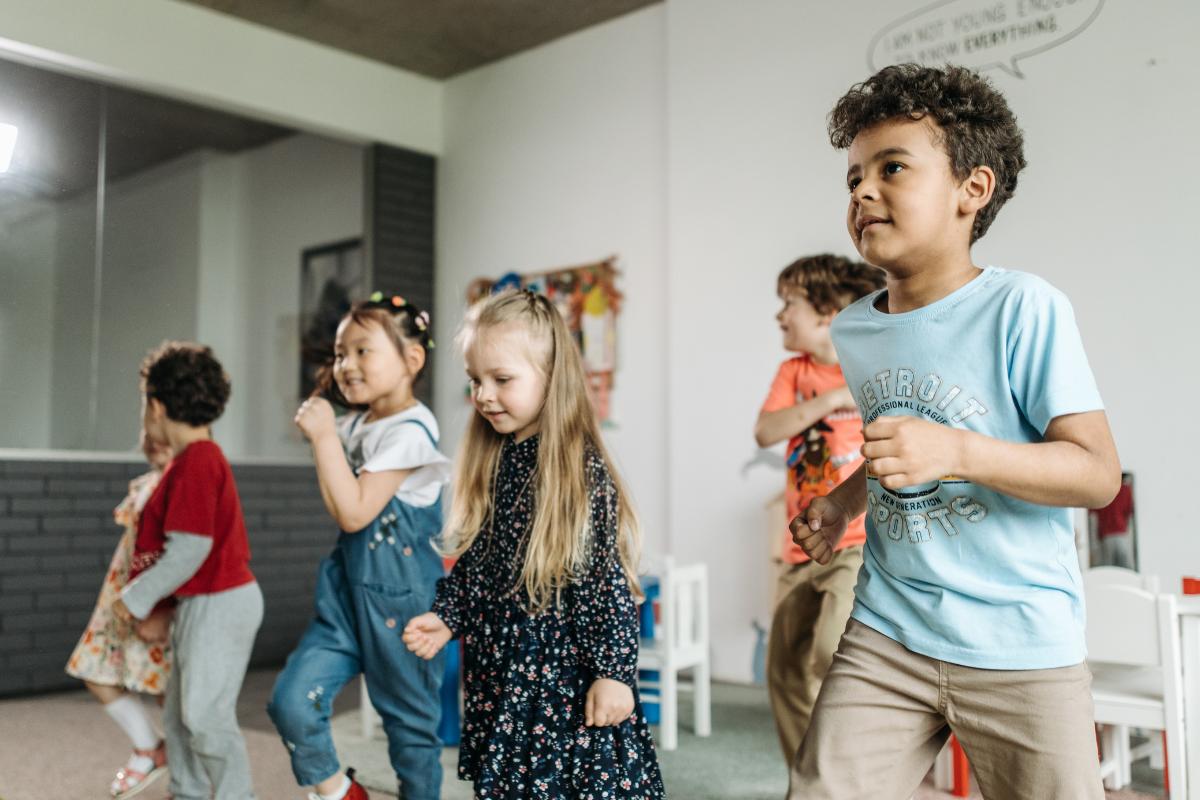
Like this independent school in Milton Keynes, encourage your child to engage in activities that require working together, such as team sports, group projects, or board games. Teach them that winning isn’t always the goal—sometimes, the process of working together is more important.
2. Model Teamwork at Home
Children often emulate their parents’ behaviour, so demonstrating teamwork at home is crucial. Show your child how you and your partner, family members, or even friends work together to solve problems or complete tasks. This could be as simple as preparing a meal together or organising family events.
By showing that collaboration leads to positive outcomes, you reinforce the importance of being a team player. Let them see that sometimes, things can only be accomplished when everyone contributes.
3. Teach the Value of Listening
A key component of being a good team player is knowing how to listen. Teach your child to respect other people’s opinions and ideas, even if they don’t agree with them. Active listening is an important skill that fosters effective communication and understanding within a group.
Encourage your child to practice listening by asking questions about how others feel or what they think during discussions. Help them understand that sometimes, others may have better ideas or perspectives that they hadn’t considered.
4. Build Empathy and Compassion
Empathy is a vital trait in a team player. Children who can put themselves in others’ shoes are more likely to work well within a group. By fostering empathy, you’re teaching your child how to respond kindly, resolve conflicts, and support others when needed.
Teach your child to be mindful of how others feel, whether by volunteering together or talking about how their actions impact those around them. When children learn to value their teammates’ feelings and contributions, they become more understanding and supportive.
5. Promote Responsibility and Accountability
Team players understand the importance of responsibility. If a child knows they are accountable for their role in a group, they will take their tasks more seriously. Teaching children responsibility early on, such as doing household chores or completing homework, helps them understand the importance of contributing to a group effort.
Encourage your child to take responsibility for their actions and decisions. If they make a mistake, rather than blaming others, teach them to own up to it and work towards a solution. This accountability builds trust and reliability within a team.
6. Celebrate Team Achievements
While individual accomplishments are important, it’s essential to celebrate team successes as well. When your child is part of a group that achieves something together, whether it’s winning a game or completing a project, make sure to acknowledge everyone’s contributions. This reinforces the idea that teamwork can lead to great outcomes.
By celebrating shared victories, your child will appreciate the value of working with others and be motivated to continue collaborating.
Raising a team player is about more than just teaching your child how to play well with others. It’s about fostering a mindset of collaboration, empathy, and accountability. By encouraging cooperative play, modelling teamwork, and teaching responsibility, you can help your child become an effective and supportive team player—qualities that will benefit them throughout life.