
Every teacher has encountered them: the child who sits somewhere in the middle of the class, not struggling dramatically, not excelling conspicuously, but somehow not quite reaching what their teachers sense they are capable of. Quiet underperformance is one of the most common and least-addressed challenges in education.
It is also one of the most responsive to the right kind of support.

Why Quiet Underperformance Happens
Children can underperform quietly for all kinds of reasons. A gap in their foundational knowledge that they have learned to work around. A learning style that does not suit the way material is typically presented in class. A confidence issue that leads them to disengage before they can be seen to fail. Or simply the fact that in a busy classroom, a child who is managing adequately rarely gets the same attention as one who is visibly struggling.
None of these causes is dramatic, but together they can add up to years of underachievement relative to what a child is genuinely capable of.
What One-to-One Changes
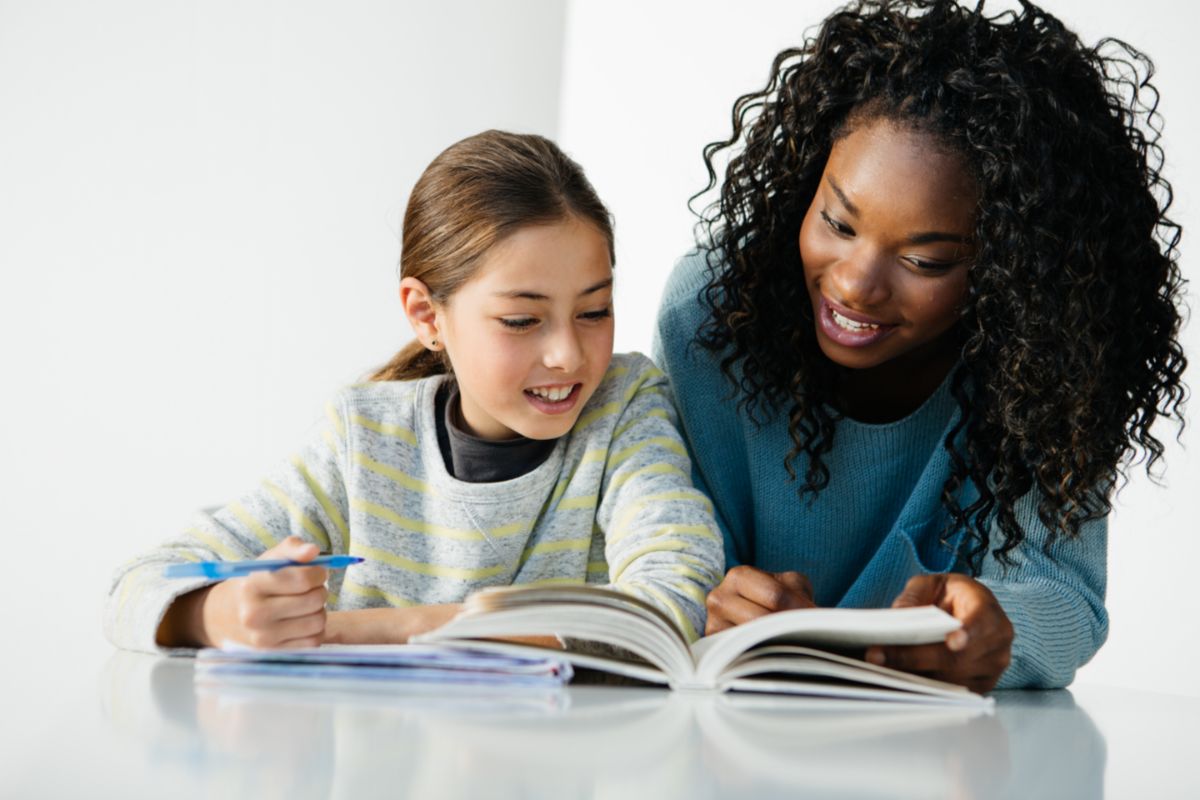
The most immediate effect of one-to-one tutoring is that there is nowhere to hide, but in the best way. A tutor working with a single student is able to diagnose exactly where understanding breaks down, to ask the specific questions that expose the gap, and to address it directly before moving on.
Experienced tutors, such as those working with Minerva Tutors, understand that this kind of diagnostic teaching is very different from simply covering content faster. It is about finding the specific point where a student’s understanding becomes uncertain and rebuilding from there, with patience and precision.
Confidence as a Learning Resource
Many quietly underperforming children are also quietly anxious. They have learned not to put themselves forward, not to ask questions in case the answer reveals how lost they are, not to try too hard at things they might fail at. A good tutor addresses this alongside the academic gaps, creating a low-stakes environment in which it becomes safe to not know and to find out.
That shift in relationship to learning can be transformative, and it tends to ripple outward into school performance as a whole.
Choosing the Right Tutor
The best tutoring relationships are built on genuine rapport as well as subject expertise. A tutor who likes and understands children, who communicates warmly and clearly, and who is genuinely interested in the individual student in front of them will achieve far more than one who simply delivers content accurately.
Visit www.minervatutors.co.uk to find out more.