
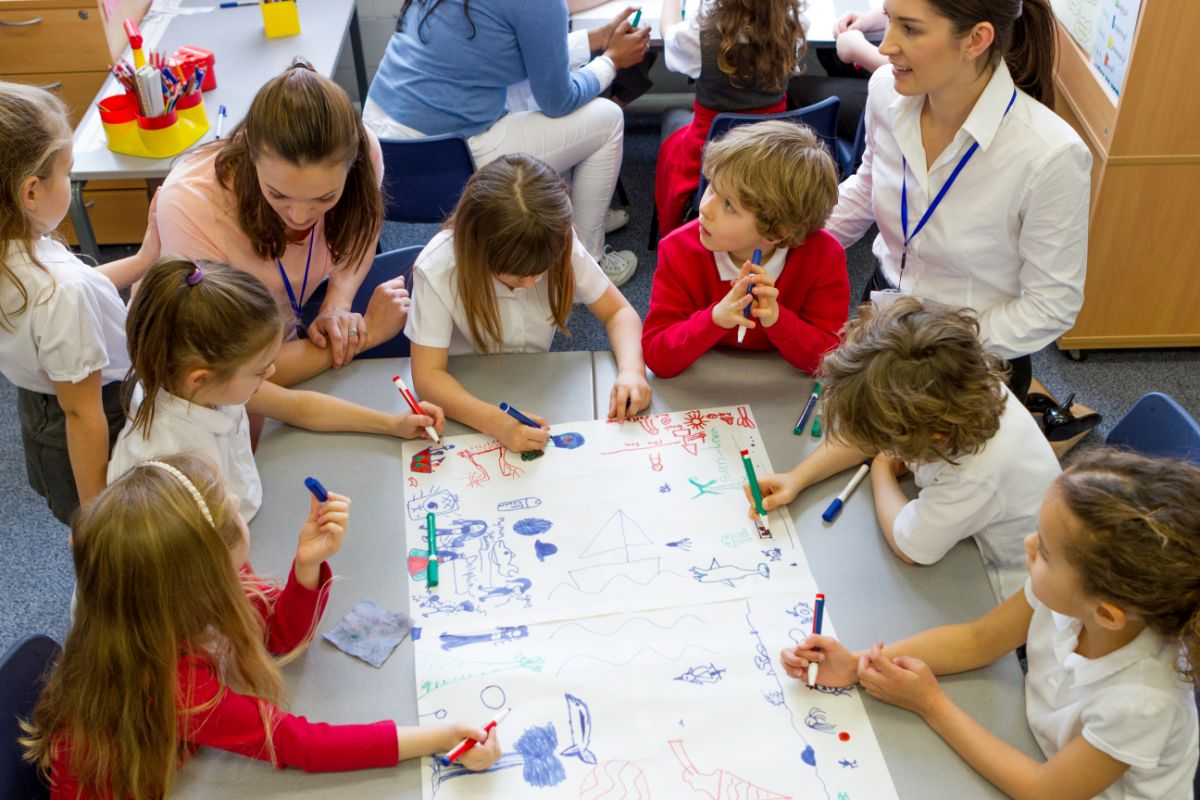
Choosing a school is one of the most significant decisions a family makes, but it is rarely a one-time decision. Children change, schools change, and what works beautifully at seven may not work at all at eleven. Knowing how to read the signs that a school is or is not right for your child is a genuinely useful skill. Here are some tips inspired by the practices of this Fulham Prep School.

Signs That Things Are Going Well
Happy children in the right school tend to show it in predictable ways. They talk about school with some enthusiasm, even if they grumble occasionally. They mention teachers by name and seem to feel known by them. They have at least one or two genuine friends. They may not love every subject, but they are broadly engaged and willing.
Children in the right school also tend to sleep reasonably well on school nights and not show significant signs of anxiety on Sunday evenings. These are not infallible indicators, but they are worth paying attention to.
Signs Worth Taking Seriously
Persistent reluctance to attend school is the most obvious red flag, but subtler signs also matter. A child who rarely mentions school, who seems to be going through the motions without any genuine engagement, or who has stopped talking about friends or teachers may be telling you something important.
Academic decline, particularly when it cannot be explained by a specific difficulty, sometimes reflects a poor fit between the child and the school rather than a learning problem in itself.
Having the Conversation
Asking children directly whether they are happy at school often produces limited information. More useful are open, specific questions: Who did you sit with at lunch? What did you do at break? Tell me something that happened today. Children who are genuinely settled in their school can usually answer these questions with ease. Those who are not often struggle.
When to Consider a Change
A difficult term is not necessarily a reason to move schools. Children go through phases, fall out with friends, find a particular teacher difficult, and navigate all sorts of temporary challenges. Context and pattern matter.
But if the difficulty is sustained, if a child is consistently unhappy, consistently disengaged, or consistently not thriving in a school that has been given a genuine chance, then exploring other options is not giving up. It is good parenting.