
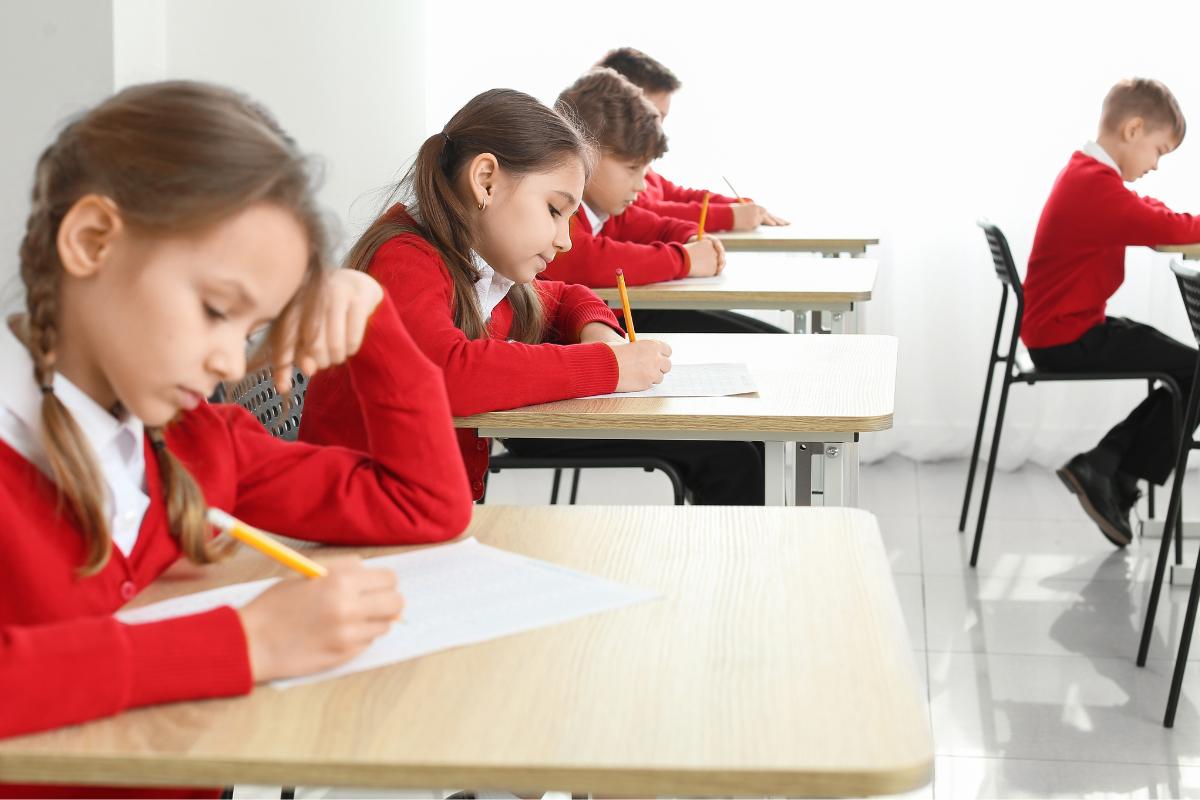
Ask a room full of parents what a school uniform is for, and most will say “so everyone looks the same.” That is part of it, but it barely scratches the surface. A uniform is a simple set of clothes worn by pupils across a school, usually chosen to reflect the school’s identity. What it actually does, once children put it on each morning, is far more interesting.

Start with the basics
At its most practical, a uniform removes a daily decision. Children do not stand at the wardrobe wondering what to wear, and parents do not negotiate over it before breakfast. That saved effort matters more than it sounds. A calmer morning tends to lead to a calmer arrival at the school gate, and a settled arrival makes the first lesson of the day easier for everyone.
There is a quieter benefit too. When pupils dress alike, the visible markers of who has more and who has less begin to fade. Nobody is judged on a brand of trainers or the newness of a coat. For younger children in particular, that sense of standing shoulder to shoulder with classmates can make a real difference to how comfortable they feel.
A signal that the day has begun
Putting on a uniform is a small ritual, and rituals are useful to children. The act of getting dressed for school sends a gentle signal: playtime at home is over, and it is time to learn. Teachers often notice the shift in mood the moment pupils walk in ready for the day.
This is one reason many primary schools treat the uniform as part of their wider approach to routine and belonging. When you visit a well-run school such as a welcoming junior school in a supportive community setting, you tend to see uniform used not as a rule for its own sake, but as one thread in a settled, purposeful atmosphere.
Belonging, without the sales pitch
There is a social side that is easy to overlook. A shared uniform gives children a visible sense of “us”. Wearing the same colours as the friend beside them helps a new pupil feel part of things quickly, which can ease the nerves of joining a class partway through the year.
That sense of belonging travels beyond the classroom. On a trip to a museum or a swimming lesson, a uniform quietly marks children as members of one group. It helps staff keep track of who is who, and it helps the public recognise a school outing for what it is. Small practical points, but they add up across a busy term.
What to keep in mind
None of this means a uniform has to be fussy or expensive. The most useful ones are comfortable, hard-wearing and easy to wash, because children will inevitably paint, garden and run about in them. A few sensible things are worth checking before buying:
– Can a young child manage the fastenings without help?
– Will the fabric cope with regular washing?
– Is there room to grow, so the outfit lasts more than a single term?
Answer those honestly and you avoid most of the common frustrations.
The bigger picture
Seen up close, a school uniform is less about appearance and more about the shape of the day. It smooths the morning, marks the start of learning, levels the playing field a little, and stitches a group of children together. For a topic that looks so ordinary from the outside, it does a surprising amount of quiet work.
Parents weighing up schools often find it helpful to notice how uniform fits into daily life on an open day, rather than treating it as an afterthought. It is a small window onto how a school thinks about routine, fairness and community, and those are the things that really shape a child’s early years of education.
You can read more about the school’s approach at https://willowparkjuniorschool.ie.
—
*This article was contributed by the team at Willow Park Junior School, a primary school committed to nurturing curious, confident young learners in a warm and structured environment. Willow Park Junior School focuses on strong foundations in the early years, a supportive community, and the everyday routines that help children thrive.*